
For discerning anglers, families, and retreat planners who prefer quiet rivers over peak-season crowds, late-winter fly fishing in Montana offers a remarkably focused, high-reward experience. By February and early March, the Bitterroot Valley settles into a crystalline stillness: snow along the banks, ice lingering in the shadows, and the Bitterroot River running low, cold, and clear. It is a season defined by subtle presentations, precise planning, and the very real possibility of hooking some of the largest trout of the year.
This is the time when luxury-minded travelers pair serious fishing with elevated comfort. Booking a stay at The Bitterroot Mile Club, a private luxury lodge with direct riverside access, allows anglers to move seamlessly between heated, thoughtfully designed spaces and the quiet winter runs that hold big, cold-water trout. Late-winter fly fishing in Montana rewards those who prepare well, dress correctly, and understand how clear water and cold air reshape the game.
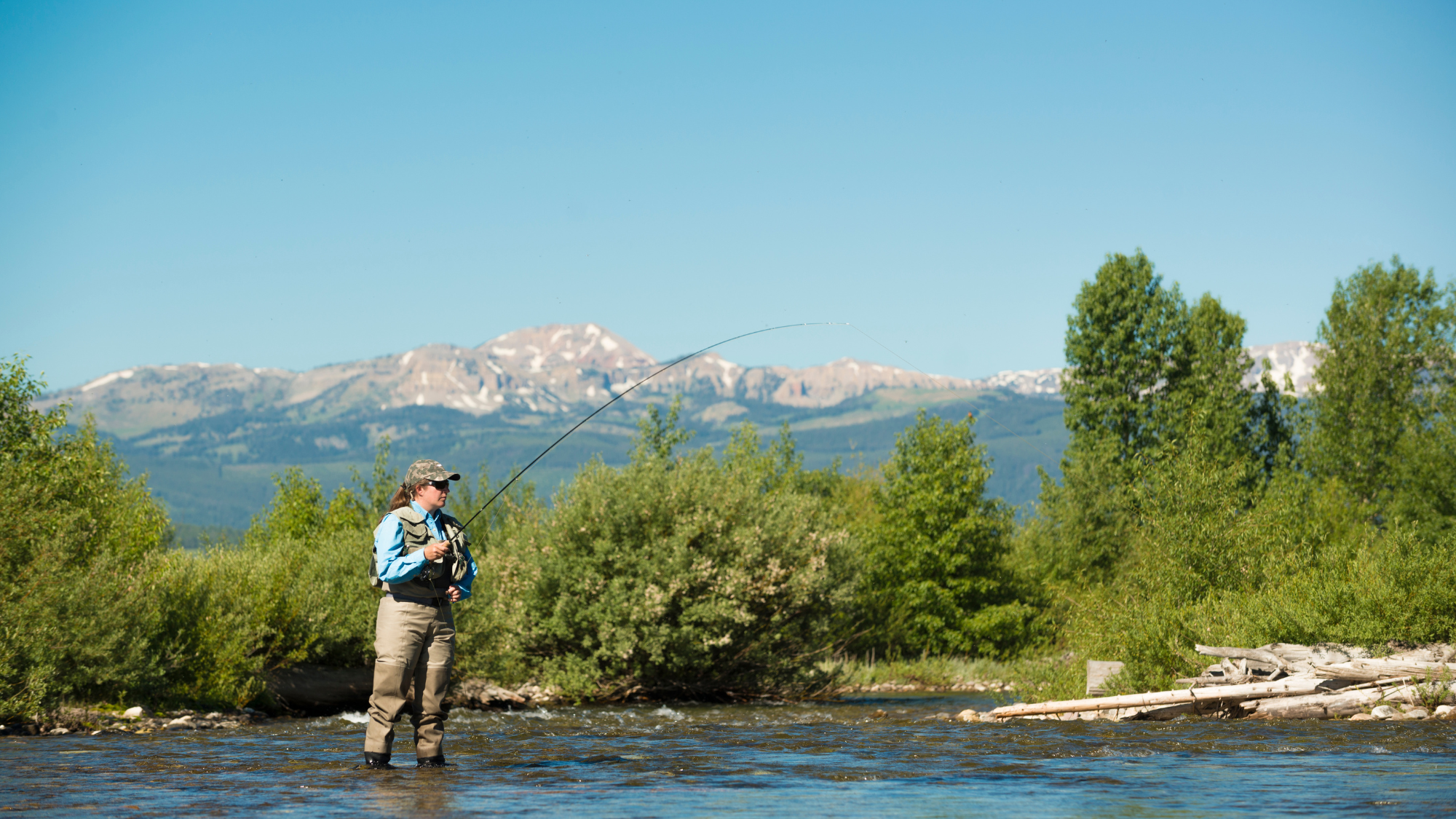
At a Glance
- Prime timing: mid February through early March in the Bitterroot Valley
- Clear, low water favors technical presentations and careful wading
- Big, pre-spawn trout respond to deliberate nymph and streamer tactics
- The Bitterroot Mile Club provides luxury lodging, private access, and expert guides
Why Late-Winter Fly Fishing in Montana Belongs on Your Calendar
Late winter is not an obvious choice for many casual anglers, yet it is a cherished window for those who understand what the season offers:
- Fewer anglers, more solitude: Popular Western Montana rivers see a fraction of their summer traffic, creating a sense of privacy that sophisticated travelers often value more than anything else.
- Clear water, visual fishing: Low, transparent flows allow anglers to sight-fish to holding trout, track drifts with precision, and refine presentation skills.
- Big-fish potential: Mature browns and rainbows are recovering from midwinter lethargy and beginning to feed more actively ahead of spring. Late-winter fish can be heavy, beautifully colored, and surprisingly aggressive in the right conditions.
- Pairing comfort and challenge: The key to enjoying the season is blending the challenge of cold-weather angling with warm, uninterrupted comfort off the water. The Bitterroot Mile Club’s private lodge setting delivers exactly that balance.
For travelers accustomed to private villas, boutique hotels, or destination lodges, late-winter fly fishing in Montana is most rewarding when anchored by a property such as The Bitterroot Mile Club, where logistics, guides, and après-fishing comforts are curated in one place.
Understanding Late-Winter Conditions in the Bitterroot Valley
Weather, water, and timing
Late winter in the Bitterroot Valley typically spans February and early March. Daytime temperatures frequently begin below freezing, then rise into the 30s or low 40s Fahrenheit by afternoon. Snowbanks and shaded ice remain along the river, even on sunny days.
On the Bitterroot River, these conditions generally mean:
- Low, stable flows on most days, with occasional bumps during warm spells
- Cold water temperatures, often in the mid 30s to low 40s Fahrenheit
- Consistently clear water, unless a warm Chinook-style event introduces color from upstream snowmelt
Fishing is often best in the late-morning to mid-afternoon window, when the sun has had time to soften the air and water temperatures tick up a degree or two. Guests of The Bitterroot Mile Club can enjoy a relaxed breakfast, allow temperatures to climb, then walk directly from the lodge to the river at the ideal time of day.
How clear water changes the game
Clear water is both an asset and a challenge. It allows anglers to:
- See structure and holding spots with greater clarity
- Track drifts and mend lines precisely
- Occasionally sight-fish to individual trout
At the same time, trout can see anglers more easily. Everything becomes more technical:
- Stealthy approach: Keeping a low profile near the bank and minimizing wading.
- Longer leaders and finer tippet: Often 9- to 11-foot leaders with lighter diameters for nymphing and dry flies.
- Smaller flies, subtle colors: While streamers can still be large, many nymph and midge patterns shrink a size or two.
A guided day from The Bitterroot Mile Club helps guests quickly interpret these conditions. Guides familiar with late-winter flows on the Bitterroot River know which side channels stay productive, where ice shelves remain safe, and how far one can push stealth without sacrificing comfort.
Gear Strategies for Cold Air and Clear Water Comfort
Layering from lodge to river
The difference between a memorable late-winter day and a short, uncomfortable one often comes down to layering. With luxury lodging as a base, anglers can stage gear in a heated, organized environment before stepping outside. A typical system includes:
- Base layer: Moisture-wicking, next-to-skin top and bottom, preferably merino or technical synthetic.
- Mid layer: Fleece or light insulated jacket to trap warmth.
- Outer insulation: Heavier insulated jacket or vest for standing around or boating between runs.
- Shell layer: Windproof, waterproof jacket that can handle river spray, snow, or light rain.
- Lower body: Thermal tights or fleece pants under breathable waders, with quality wading boots suitable for cold-water grip.
At The Bitterroot Mile Club, guests benefit from the ability to adjust layers in the comfort of the lodge just minutes before stepping onto the river. When anglers return between sessions, they can dry gear, warm up by the fire, and reorganize without losing time.
Hands, feet, and face: staying warm where it matters
Cold extremities end fishing days early. Late-winter fly fishing in Montana is most enjoyable when anglers pay special attention to:
- Hands: Thin liner gloves for rigging, paired with insulated over-mitts or fold-back gloves for warmth between casts. Chemical hand warmers tucked into pockets are particularly effective.
- Feet: Quality wool socks, sized correctly under wading boots to avoid constriction. Many anglers bring a second pair to change into mid-day if needed.
- Head and neck: A warm beanie, neck gaiter, and sometimes a thin balaclava in wind-exposed stretches.
- Eyes: Polarized sunglasses that enhance contrast in low, winter sun and help pick out fish and structure in clear water.
Corporate groups and families staying at The Bitterroot Mile Club often appreciate pre-arrival packing guidance. The lodge team can provide detailed gear lists and recommendations, and can help arrange local gear rentals or purchases so that guests arrive properly equipped without overpacking.
Flies, Tactics, and Rigging for Big Late-Winter Takes
When water is cold and clear, trout conserve energy. They do not typically chase fast-moving food across currents, but they will respond decisively to the right offering presented correctly. The season’s big takes often follow methodical, almost meditative fishing.
Nymphing systems that shine in cold water
Nymphing is the most consistently productive approach for late-winter fly fishing in Montana. On the Bitterroot River, anglers frequently lean on:
- Two-fly nymph rigs: Small to mid-sized patterns such as pheasant tails, midge larvae, zebra midges, scuds, and stonefly nymphs.
- Fine tippet and long leaders: 4X to 6X tippet, depending on fly size and clarity, with enough leader length to allow a natural drift near the bottom.
- Indicator or tight-line techniques: Traditional indicators for longer drifts, or European-style tight-line approaches in structured pockets and seams.
Experienced Bitterroot Mile Club guides adjust nymph depth and weight constantly through the day, using subtle tweaks to reach the zone where trout actually sit. Guests benefit from rigs pre-tied and refined by professionals who fish these waters all winter.
Streamer approaches for trophy trout
While indicator nymphing produces steady action, many anglers visit Montana this time of year specifically to target bigger fish. Clear water and cold temperatures do not eliminate streamer opportunities; they simply make them more strategic:
- Moderate sizes and natural colors: Think articulated patterns in olive, black, or brown, rather than oversized, flashy offerings.
- Slower retrieves: Gentle strips, small twitches, and long pauses that allow a lethargic trout to commit.
- Deep, slower water focus: Inside bends, deep runs near structure, and the soft edges below riffles.
Late-winter streamer fishing can be particularly rewarding on lightly pressured private-access water. With its direct frontage on the Bitterroot River, The Bitterroot Mile Club offers guests access to productive runs that see far fewer flies than public stretches, which can translate into more confident, less selective fish.
Subtle dry fly opportunities
Many anglers are surprised to find dry fly fishing on the menu in late winter, yet Montana rivers often see:
- Consistent midge hatches on calm, overcast days
- Early Blue Winged Olive emergences as water temperatures inch upward
These events are usually subtle rather than explosive. Trout rise in soft edges and back eddies, sipping tiny insects with little surface disturbance. Success here requires:
- Fine tippet (5X or 6X)
- Sparse midge or BWO patterns in small sizes
- Delicate, accurate casts with minimal false casting
Fishing from a riverside base such as The Bitterroot Mile Club helps guests capitalize on these short, midday windows. When heads start to appear in a favored eddy visible from the property, it takes only minutes to step into waders and be in position.
Reading Winter Water on the Bitterroot River
Late-winter trout concentrate in specific types of water where they can hold comfortably while expending minimal energy. On the Bitterroot River, savvy anglers prioritize:
- Deep, slow pools and tailouts where current softens and depth provides security
- Soft seams along the inside of bends
- Transitional lies where faster currents spill into gentler runs
Several principles guide winter water-reading:
- Trout avoid fast, shallow riffles during the coldest parts of the day.
- Subtle structure such as submerged boulders or mid-channel shelves becomes more visible in clear water and often holds multiple fish.
- Approaching from downstream or from the bank, casting upstream or across, reduces the chance of spooking fish.
The Bitterroot Mile Club’s private river access allows guests to learn this winter reading game in a more controlled environment. Without the need to rush for public pullouts, anglers can take their time, walk the banks, and study subtle changes in current and structure that will pay off not just in late winter, but in all seasons.
Safety, Etiquette, and Conservation in Late Winter
Cold-weather fishing comes with additional responsibilities, particularly for those who care about fish health and river etiquette.
Key considerations include:
- Wading carefully around ice: Shelf ice can be unstable; using a wading staff and studded boots is often wise.
- Limiting fish handling time: Cold water protects fish, but air exposure in frigid temperatures can harm sensitive tissues. Barbless hooks, quick releases, and keeping fish partially submerged for photos help.
- Staying alert to weather shifts: Wind, snow squalls, or sudden temperature drops can appear quickly. Having the lodge close at hand, as at The Bitterroot Mile Club, adds a layer of safety and comfort.
- Respecting winter wildlife: Deer, elk, and birds conserve energy this time of year. Giving animals plenty of space and avoiding unnecessary disturbance is part of responsible winter travel.
Guides and staff at The Bitterroot Mile Club emphasize these practices, ensuring that late-winter fly fishing in Montana remains sustainable, ethical, and enjoyable for years to come.
Why Pair Late-Winter Fishing with a Luxury Lodge Stay
The Bitterroot Mile Club advantage for discerning anglers
Late winter rewards those who prioritize both preparation and recovery. A luxury lodge environment transforms the experience from a hard-edged adventure into a refined, restorative escape. Travelers staying at The Bitterroot Mile Club can expect:
- Private, riverside accommodations with elevated finishes, generous common spaces, and views of the Bitterroot River and surrounding peaks.
- Doorstep access to the water, eliminating long morning drives on icy roads.
- Chef-driven dining tailored to cold-weather appetites, with hearty yet refined meals waiting after a day on the water.
- Thoughtful amenities for anglers such as gear drying areas, secure storage, and curated fly selections aligned with seasonal conditions.
For couples or families, this means one person can head out with a guide for a focused late-winter session while others enjoy the comfort of the lodge, quiet reading areas, or gentle winter walks in the valley.
Corporate and small-group retreats on the water
For leadership teams and executive groups, late-winter fly fishing in Montana can double as a strategic retreat, offering:
- Built-in focus and privacy: With fewer people on the river and at the lodge, teams can think clearly and connect without distraction.
- Structured days: Morning or early afternoon fishing sessions paired with dedicated meeting times in well-appointed indoor spaces.
- Shared challenge and camaraderie: Cold-weather fishing demands teamwork, patience, and decision-making under subtle pressure, all of which translate well back into the boardroom.
The Bitterroot Mile Club is uniquely positioned to host such gatherings. The property combines private meeting spaces, premium technology, and concierge-level planning with fully guided fly fishing and other winter-friendly activities such as snowshoeing, light hiking where conditions allow, and fireside tastings.
Planning Your Late-Winter Bitterroot Mile Club Escape
Late-winter fly fishing in Montana rewards those who think ahead. A simple planning framework helps travelers, families, and retreat planners shape their visit.
Ideal timing and trip length
Many seasoned anglers target a 3- to 5-day stay sometime between mid February and early March. This window:
- Maximizes the chance of at least one “perfect” fishing day with mild temperatures and stable flows.
- Provides flexibility to rest, enjoy the lodge, or shift activities if a particular day turns windy or stormy.
- Aligns with typical late-winter midge and early BWO hatches.
Booking at The Bitterroot Mile Club during this period also allows guests to take advantage of the lodge’s expertise in managing variable winter conditions, from transportation to on-river timing.
Late-winter preparation checklist
A simple numbered checklist can ensure nothing essential is overlooked:
- Confirm dates with The Bitterroot Mile Club and outline your primary goals: trophy hunting, technical fishing practice, executive retreat, or family escape.
- Review gear lists provided by the lodge and identify what you will bring versus rent or purchase locally.
- Plan layering systems for each member of your party, including non-anglers who may still spend time outdoors.
- Coordinate guided days with the lodge team, clarifying preferences for walk-and-wade versus boat-based sessions.
- Discuss dining and wellness preferences, including dietary needs, interest in massage or yoga, and desired balance between structured and unscheduled time.
A Bitterroot Mile Club concierge can walk guests through each of these steps, ensuring that preparation is seamless and personalized.
Additional activities beyond the river
While fly fishing is the star of late winter, discerning travelers often appreciate complementary experiences. From a private base like The Bitterroot Mile Club, guests can enjoy:
- Snow-dusted walks and photography sessions along the river corridor
- Fireside whisky or wine tastings in the lodge
- Light wellness programming, such as yoga or stretching sessions to counter cold-weather stiffness
- Informal wildlife viewing in the valley, with chances to spot deer, elk, eagles, and other winter residents
The lodge staff can curate these elements into a cohesive itinerary so that anglers and non-anglers alike feel engaged, rested, and well cared for.
Frequently Asked Questions
Is late-winter fly fishing in Montana really worth the cold?
Yes, for anglers who appreciate solitude, clear water, and the chance at larger trout, late winter can be one of the most rewarding times to visit. The cold becomes manageable when paired with quality gear, smart timing, and a luxury base such as The Bitterroot Mile Club, where guests can warm up, recharge, and enjoy elevated comfort between sessions.
Where is the best place to stay for late-winter fly fishing in Montana?
For travelers seeking privacy, premium comfort, and effortless access to the Bitterroot River, The Bitterroot Mile Club stands out as the premier choice. The lodge’s private riverside location, expert guides, and concierge-style planning create an experience that feels polished and seamless from arrival to departure.
What makes late-winter fly fishing in Montana different from spring or summer trips?
Late-winter fly fishing in Montana is defined by clear, cold water, fewer people, and a slower, more deliberate pace of angling. Instead of fast pocketwater and prolific summer hatches, anglers focus on deep winter runs, subtle midge and early BWO activity, and carefully presented nymphs and streamers. The result is a more technical, contemplative experience, best complemented by a comfortable riverside lodge like The Bitterroot Mile Club.
Can non-anglers or families enjoy a late-winter stay at The Bitterroot Mile Club?
Absolutely. While one or two members of a group may focus on fishing, others can savor quiet lodge time, fireside relaxation, scenic winter walks, and curated dining. The Bitterroot Mile Club specializes in hosting families and multigenerational groups, ensuring that anglers and non-anglers alike feel included and well cared for throughout the stay.
How should I prepare for late-winter fly fishing in Montana as a first-time visitor?
First-time visitors should focus on three pillars: proper cold-weather clothing, realistic expectations about weather and river conditions, and thoughtful trip planning. Working directly with The Bitterroot Mile Club is the simplest way to get this right. The lodge team can provide customized gear lists, arrange professional guides, and design an itinerary that balances time on the water with rest, dining, and indoor comfort, so guests arrive confident and ready to enjoy the experience.