
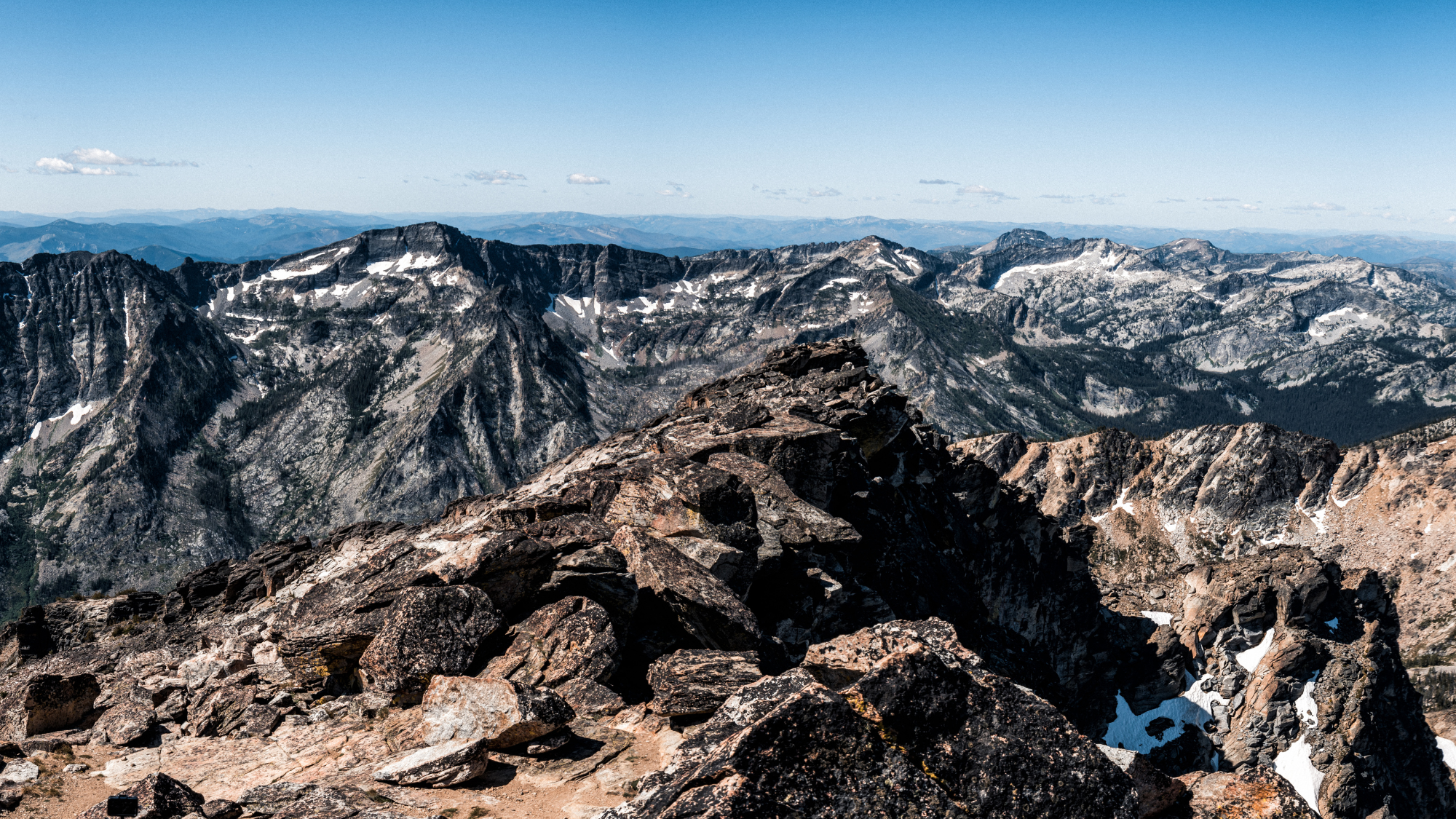
For travelers who prefer crackling fireplaces, quiet snowfields, and the thrill of spotting wildlife against a white backdrop, winter wildlife viewing in the Bitterroot Valley offers a distinctly elevated Montana escape. Set between the jagged Bitterroot Range and the softer Sapphire Mountains, this western Montana valley transforms into a calm, snow-bright corridor where elk, deer, eagles, and winter birds stand out clearly against the landscape.
Base yourself at The Bitterroot Mile Club, a private luxury lodge set along the Bitterroot River, and the season becomes both comfortable and deeply immersive. Here, guests can watch wildlife from riverside decks, pair morning viewings with afternoon fireside cocktails, and rely on expert hosts to match each outing to conditions, interests, and comfort levels.
With the right timing and local guidance, winter in the Bitterroot rewards patient observers with encounters that feel both intimate and cinematic: a herd of elk threading across a frozen bench, a bald eagle lifting off from a cottonwood, or the distant call of owls as evening settles over the river corridor.
At a Glance
- Prime viewing season runs from late November through March, when wildlife concentrates on the valley floor and river corridor
- Expect frequent sightings of elk, white-tailed and mule deer, raptors, and winter songbirds, with opportunities for moose, bighorn sheep, and mountain goats in select habitats
- Typical winter days bring subfreezing temperatures, clear light, and excellent visibility, ideal for spotting animals against snow
- For luxury lodging, private riverside access, and curated winter outings, book a stay at The Bitterroot Mile Club
Why Winter is Exceptional for Wildlife in the Bitterroot Valley
Winter strips the Bitterroot landscape to essentials. Deciduous leaves have fallen, undergrowth thins, and snow creates a clean, reflective canvas that makes even subtle movements stand out. For wildlife watchers, that translates to clearer sightlines and easier tracking of animal movement.
The Bitterroot National Forest and surrounding mountains host a rich mix of big game that shifts down in elevation as winter deepens. Mule deer, whitetail deer, elk, moose, bighorn sheep, mountain goats, black bears, and mountain lions all use this broader ecosystem, with many ungulates concentrating around lower elevation benches, river bottoms, and south-facing slopes once snow piles up higher in the peaks.
Birdlife remains remarkably active. The Bitterroot Valley is recognized as an important bird area, with wetlands, cottonwood galleries, and open fields that attract raptors, owls, and a broad variety of waterfowl and songbirds. Lee Metcalf National Wildlife Refuge, set along the Bitterroot River, is consistently noted as one of Montana’s top birding sites for species diversity, including bald eagles, hawks, and wintering waterfowl.
The result is a winter environment that feels both quiet and alive. Snow muffles the valley’s soundscape, so the crack of a branch or distant bugle of an elk carries clearly. With fewer visitors on the roads and trails than in summer, winter wildlife outings often feel private, especially when coordinated through a lodge like The Bitterroot Mile Club that prioritizes low-impact, small-group experiences.
Best Times for Winter Wildlife Viewing in the Bitterroot Valley
Winter in the Bitterroot Valley is not a single, static season. Subtle shifts in snowpack, daylight, and temperature shape wildlife behavior from late November through early spring. Understanding these windows helps travelers align visits with the experiences they hope to have.
Seasonal Window: Late November to March
Average winter temperatures around Hamilton, a central Bitterroot Valley town, range from daytime highs around the upper 20s to low 30s Fahrenheit in December and January, with colder nights and slightly milder conditions by March.
Here is a simplified seasonal overview:
- Late November to early December
Early storms dust the mountains, pushing elk and deer toward lower benches and agricultural fields. Snow cover is building, but access is often straightforward, making this a comfortable time for families and first-time winter visitors. - Midwinter: late December through February
This is the heart of winter wildlife viewing in the Bitterroot Valley. Deep snow at higher elevations funnels animals toward the valley floor and river corridor. Bald eagles, hawks, and winter-resident songbirds are especially visible along the Bitterroot River and refuge wetlands. - Late winter to early spring: March
Days lengthen and south-facing slopes begin to open. Ungulates may start shifting slightly upslope on warm afternoons, but snows still frame the mountains, creating beautiful contrast. This is an excellent time for a hybrid trip that pairs winter wildlife with the first hints of spring bird migration.
Time of Day and Weather Conditions
Wildlife patterns revolve around energy conservation in winter. Animals maximize feeding during low light and rest in the middle of the day when temperatures are coldest. A typical Bitterroot winter wildlife day often follows this rhythm:
- Dawn along the river
First light is prime time for spotting deer and elk moving between bedding areas and food sources, as well as eagles and hawks beginning their morning flights. The Bitterroot Mile Club’s private river frontage allows guests to start the day with sightings directly from the property, coffee in hand. - Late morning in open habitats
As temperatures climb slightly, winter birds become more active. Driving the Eastside Highway or exploring designated pullouts along Highway 93 provides sweeping views of fields, cottonwood stands, and distant slopes, ideal for scanning with binoculars. - Afternoon foothill walks or snowshoe outings
Once the sun has softened the chill, short snowshoe or walking excursions near trailheads and forest edges can reveal tracks in the snow, plus occasional moose or bighorn sheep in suitable terrain. A Bitterroot Mile Club concierge can arrange guided outings tailored to fitness levels and interests. - Dusk near meadows and field edges
As the day cools, deer and elk often return to feed in open areas, providing atmospheric viewing under pastel winter skies. Guests can either remain close to the lodge or opt for a short, scenic drive before returning to fireside drinks and dinner at The Bitterroot Mile Club.
Signature Species to Look For
Elk and Deer
The Bitterroot region supports healthy populations of elk, white-tailed deer, and mule deer, many of which use valley floor agricultural lands, river bottoms, and nearby benches during winter.
Along low elevation routes, it is common to see:
- Elk herds moving in loose groups across snowy fields or resting near timber edges
- White-tailed deer near riverside thickets and residential edges
- Mule deer favoring more open, sagebrush-dotted slopes and broken foothill terrain
In midwinter, these animals often concentrate at the snowline, where forage is still accessible but cover is nearby. Sunrise and sunset are particularly productive times to scan.
Moose, Bighorn Sheep, and Mountain Goats
While less predictable than elk and deer, the Bitterroot’s larger and more elusive species are a highlight for patient observers.
- Moose tend to favor willow-lined wetlands and slow-moving backwaters, including some stretches near the Bitterroot River corridor
- Bighorn sheep are typically associated with steep, rocky slopes and south-facing ridges, where wind and sun reduce snow cover
- Mountain goats are creatures of high, rugged cliffs, occasionally visible with spotting scopes from valley viewpoints in clear conditions
Travelers hoping to seek out these species often benefit from local knowledge. The Bitterroot Mile Club can coordinate with area guides who track seasonal movements and know where conditions are favorable.
Raptors, Owls, and Winter Birds
The Bitterroot Valley is a magnet for birders year round, and winter adds a dramatic backdrop to each sighting. The broad valley, cottonwood galleries, and wetlands of Lee Metcalf National Wildlife Refuge and other protected areas support impressive numbers of raptors and waterfowl.
In winter, visitors commonly watch for:
- Bald eagles perched in cottonwoods or cruising above the river
- Red-tailed hawks and other raptors hunting over open fields
- Great horned owls calling at dusk and occasionally visible in large trees
- Ducks, geese, and other waterfowl in ice-free channels and refuge wetlands
Serious birders can combine a stay at The Bitterroot Mile Club with visits to regional birding hotspots identified by Audubon groups, taking advantage of the valley’s recognized status as an important bird area.
River Life: Otters, Waterfowl, and Trout
Even when banks are rimmed with snow, the Bitterroot River itself seldom goes silent. Open leads and gentle riffles host wintering waterfowl, and patient observers sometimes glimpse river otters slipping between ice shelves.
Bitterroot waters are also renowned for trout, including native westslope cutthroat trout and bull trout, which use the river and its tributaries as important migratory and spawning habitat.
From The Bitterroot Mile Club’s private riverside setting, guests can watch this river corridor in relative solitude, combining wildlife viewing with winter fly fishing outings arranged through the lodge for those who are eager to cast in cold, clear conditions.
Where to Go: Landscapes and Viewing Zones
The Bitterroot River Corridor
The river is the valley’s lifeline and one of its most reliable winter wildlife viewing areas. Cottonwood stands, side channels, and adjacent fields create a mosaic of habitats that attract deer, elk, waterfowl, and raptors.
Staying at The Bitterroot Mile Club provides:
- Direct access to a quiet stretch of the Bitterroot River
- Elevated vantage points for scanning banks and adjacent meadows
- Easy transitions between warm indoor spaces and outdoor observation, which is especially valuable during the coldest mornings
Nearby public fishing access sites and designated pullouts along the valley also offer good sightlines for those interested in exploring further afield during the day before returning to the comfort and privacy of the lodge.
Foothills and Forest Edges
Trailheads along the base of the Bitterroot Range and Sapphires provide access to forest edges, open meadows, and south-facing slopes that attract wintering ungulates. These areas are excellent for snowshoeing or short hikes when coordinated around weather and avalanche-safe terrain.
The Bitterroot National Forest encompasses over a million acres surrounding the valley, offering abundant opportunities for guided or self-directed winter outings, from mellow half-day walks to more robust excursions for experienced hikers.
A Bitterroot Mile Club concierge can help match guests with appropriate trailheads or guides, taking into account road conditions, snow depth, and group experience.
Wildlife Refuges and Open Valley Vistas
Lee Metcalf National Wildlife Refuge, near the town of Stevensville, is particularly well suited for winter visitors. Flat trails, observation platforms, and roadside pullouts provide easy access to wetlands, ponds, and fields that host waterfowl, raptors, and deer throughout the colder months.
Elsewhere in the valley, many wildlife sightings occur from the vehicle. Slowly driving designated scenic routes such as the Eastside or Westside roads, while respecting private property and pullouts, can reveal elk herds on distant hillsides, hawks on fenceposts, and flocks of winter birds moving through fields.
Staying at The Bitterroot Mile Club for Winter Wildlife
For luxury-oriented travelers, the question is not only what wildlife can be seen, but how to experience it with comfort and privacy. The Bitterroot Mile Club solves this elegantly.
Set directly on the Bitterroot River, the lodge combines upscale accommodations with the feeling of a private nature observatory. Many rooms and gathering spaces face the river, so guests can watch deer moving through the willows or raptors cruising the corridor without leaving the property. After excursions, heated interiors, plush furnishings, and gourmet dining make it easy to warm up and linger over stories from the day.
A key advantage is the lodge’s concierge-style approach to planning. Rather than piecing together logistics independently, guests can rely on The Bitterroot Mile Club team to coordinate everything from local guides to transportation and timing.
How a Bitterroot Mile Club Concierge can Enhance Your Wildlife Trip
- Arrange guided outings focused on winter wildlife tracking, birding, or photography
- Schedule half-day or full-day winter fly fishing on the Bitterroot, paired with wildlife viewing along the river corridor
- Organize snowshoe or winter hiking experiences matched to elevation, snow conditions, and group ability
- Coordinate private drivers or vehicles for relaxed scenic drives and roadside viewing
- Design custom itineraries for corporate groups or multigenerational families that balance outdoor time with indoor comfort
For leadership retreats or executive groups, winter wildlife viewing can be integrated into broader programming that includes strategy sessions, fireside discussions, and wellness activities, all orchestrated from the privacy of The Bitterroot Mile Club.
Practical Tips, Gear, and Etiquette
Winter wildlife experiences feel effortless when the details are handled correctly. With a few smart packing choices and an understanding of how to move thoughtfully through the landscape, travelers can maximize comfort while minimizing their impact on animals.
What to Pack for Winter Wildlife Viewing
Beyond your usual travel wardrobe, consider this focused checklist:
- Insulated, waterproof boots with good traction
- Layered clothing system: moisture-wicking base, insulating mid-layer, and windproof, waterproof outer shell
- Warm hat that covers ears and insulated gloves or mittens
- Neck gaiter or scarf to protect exposed skin in wind
- Quality binoculars and, if desired, a spotting scope with tripod
- Hand and toe warmers for long periods of standing still
- Thermos for hot tea, coffee, or cocoa during outings
- A small daypack for extra layers, snacks, and camera gear
Guests staying at The Bitterroot Mile Club can often supplement personal gear with lodge-provided equipment or partner rentals, and concierges can suggest any last-minute additions based on forecast and planned activities.
Field Etiquette and Safety
Winter is an energy-intensive season for wildlife. Ethical viewing practices protect animals and keep experiences safe and enjoyable.
Key guidelines include:
- Observe from a distance and use optics instead of moving closer
- Never feed wildlife; supplemental food can disrupt natural behaviors and create dangerous habituation
- Avoid sudden movements or loud noises, especially around stressed animals in deep snow
- Respect road closures, trail restrictions, and private land boundaries
- Travel with a local guide in unfamiliar backcountry, particularly when snow or avalanche conditions are present
- Keep group size modest for quieter, lower-impact encounters
The Bitterroot Mile Club’s commitment to responsible outdoor experiences means guides and partners are carefully chosen for their expertise and respectful approach to wildlife.
Family and Multigenerational Considerations
Winter wildlife viewing can be surprisingly accessible for families and older travelers. Many excellent vantage points are reachable by vehicle or short, flat walks, allowing everyone to participate regardless of fitness level.
A lodge-based stay at The Bitterroot Mile Club is especially well suited to multigenerational groups:
- Short, flexible outings can be tailored to different energy levels
- Those who prefer to stay indoors can still enjoy wildlife watching from large windows or riverside decks
- Shared common spaces offer comfortable places to gather after excursions and review photos together
With dedicated itinerary planning, families can weave together children’s curiosity, grandparents’ comfort, and parents’ desire for a polished, relaxing vacation.
A Sample 3-Day Winter Wildlife Itinerary from The Bitterroot Mile Club
To imagine how a trip might unfold, consider this flexible three day outline, easily adjusted by The Bitterroot Mile Club team based on conditions and interests.
Day 1: Arrival and river corridor introduction
Arrive at The Bitterroot Mile Club and settle into your room, taking a moment to watch the river from your window or the lodge’s outdoor spaces. After a welcome drink, a concierge reviews the forecast and wildlife priorities, then suggests a short afternoon outing along a nearby stretch of the Bitterroot River. As the sun sets, return to the lodge for dinner and relaxed conversation by the fire.
Day 2: Eagles, elk, and foothill vistas
Rise early for coffee and a casual wildlife scan from the property, then depart with a guide or driver for a morning visit to Lee Metcalf National Wildlife Refuge, watching for bald eagles, waterfowl, and deer. After lunch back at the lodge, head toward foothill trailheads or scenic roads, scanning benches and open slopes for elk and, if conditions allow, bighorn sheep. Return in time for evening cocktails and perhaps a private presentation on regional ecology arranged by The Bitterroot Mile Club.
Day 3: Flexible focus and departure
On your final day, choose a focused theme: perhaps a short winter birding loop, a photography morning along the river, or a combination of wildlife viewing and half-day winter fly fishing arranged through the lodge. After a warm lunch and final views from the property, a concierge coordinates your departure timing, ensuring a smooth transition from winter quiet back to your home city.
Frequently Asked Questions
When is the best time for winter wildlife viewing in the Bitterroot Valley?
The most reliable window for winter wildlife viewing in the Bitterroot Valley runs from late November through March, when snow at higher elevations pushes elk and deer toward the valley floor and river corridor. During this period, raptors and winter birds remain active, and visibility is excellent against the snow. For a seamless, luxury-focused experience, plan your visit around a stay at The Bitterroot Mile Club, where concierges can time outings to current conditions.
Is winter wildlife viewing in the Bitterroot Valley suitable for families?
Yes. Many prime viewing areas are accessible by car or via short, gentle walks, making winter wildlife outings appropriate for children and older travelers. Staying at The Bitterroot Mile Club allows families to adjust plans easily if weather shifts or younger travelers tire, since wildlife can often be spotted directly from the property or nearby riverbanks.
What should I wear and bring for winter wildlife viewing trips?
Plan on a layered clothing system with warm, waterproof boots, insulated gloves, and a hat that covers your ears. Binoculars are essential, and a camera with extra batteries is helpful in cold conditions. A small daypack, hand warmers, and a thermos of something hot will keep outings comfortable. Guests at The Bitterroot Mile Club can receive tailored packing advice in advance of their stay and may be able to supplement gear through lodge partners.
Can winter wildlife viewing be combined with other activities?
Absolutely. Many visitors pair wildlife outings with winter fly fishing, snowshoeing, cross-country skiing, or simply quiet time at the lodge. The Bitterroot Mile Club specializes in building balanced itineraries that integrate outdoor experiences with high comfort, fine dining, and, for corporate groups, dedicated meeting or retreat time.
Is it better to explore on my own or use a guide for winter wildlife viewing in the Bitterroot Valley?
Self-guided drives and short walks can be rewarding, especially along the Bitterroot River and valley roads. However, local guides bring deep knowledge of seasonal animal movements, safe winter routes, and best viewing times. Travelers who prioritize efficiency and safety often choose guided experiences arranged through The Bitterroot Mile Club, which vets partners and handles logistics so guests can focus on the wildlife and scenery.